Advanced Powder Metallurgy Services
Meco delivers precision Powder Metallurgy services (PM) for complex, high‑volume manufacturing. We provide cost-efficient, net-shape solutions ensuring superior dimensional accuracy and consistency.

Why Choose Meco for Powder Metallurgy Services?
Engineers in automotive and industrial sectors trust Meco to deliver mission‑critical powder metallurgy services. We combine precision, material science, and cost‑efficiency to produce high-performance gears, bearings, and structural components.
Net‑Shape Production
Our PM process creates parts at or near final dimensions, achieving over 95% material utilization. This minimizes waste and significantly reduces costs compared to subtractive machining.
Automotive‑Grade Quality
Certified to IATF 16949:2016, our quality management systems ensure every sintered part meets the most stringent standards for process control, dimensional stability, and consistency.
Turnkey Production (PM + Finishing)
We are your single‑source partner. From powder blending, compaction, and sintering to sizing, heat treatment, and precision CNC machining—everything is managed under one roof.
Custom Material Solutions
Powder metallurgy allows for unique material blends, including composites and self‑lubricating compositions (e.g., oil‑impregnated bronze), impossible with other methods.
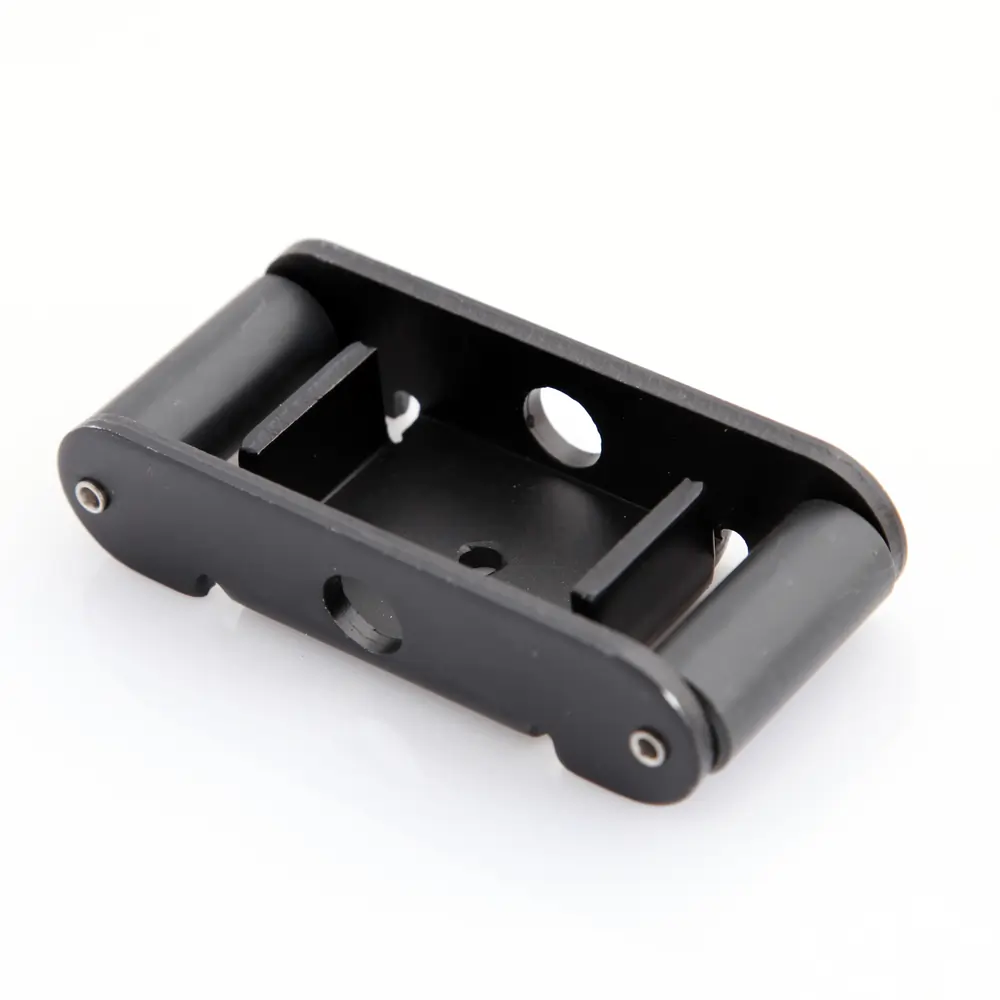
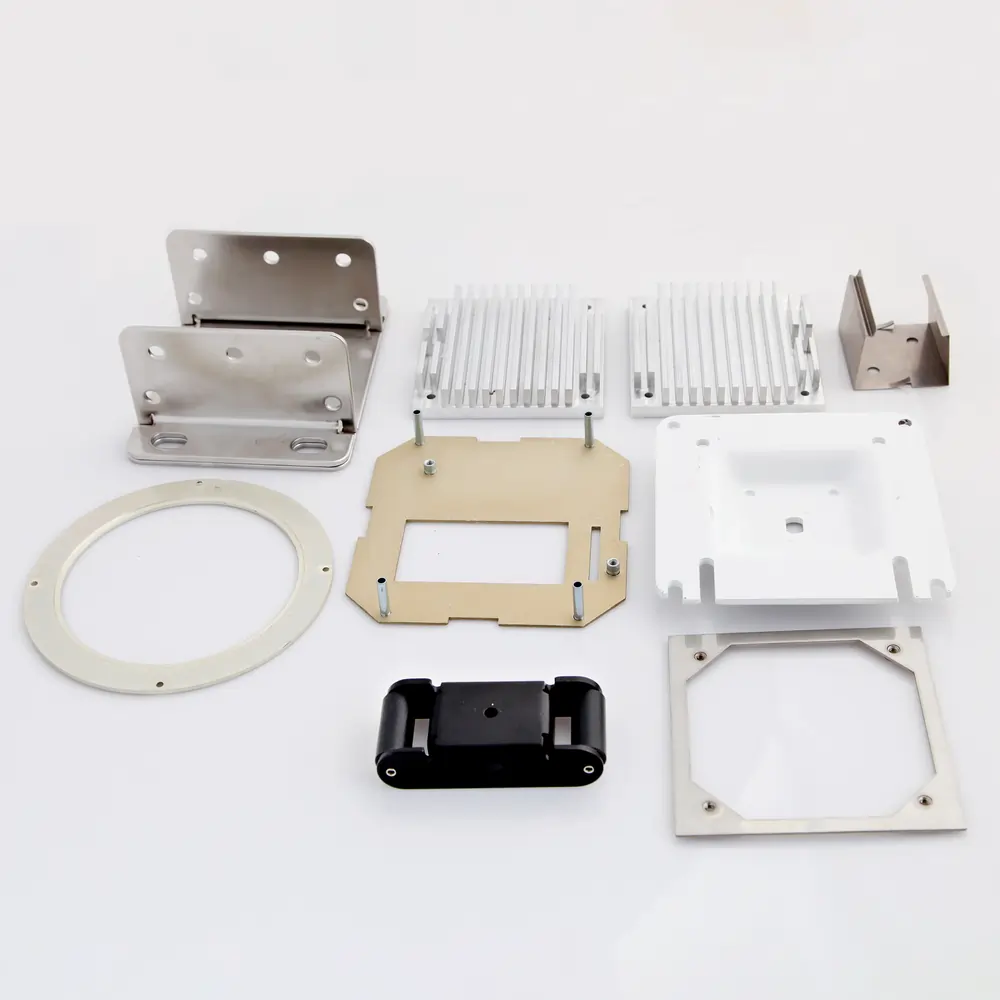
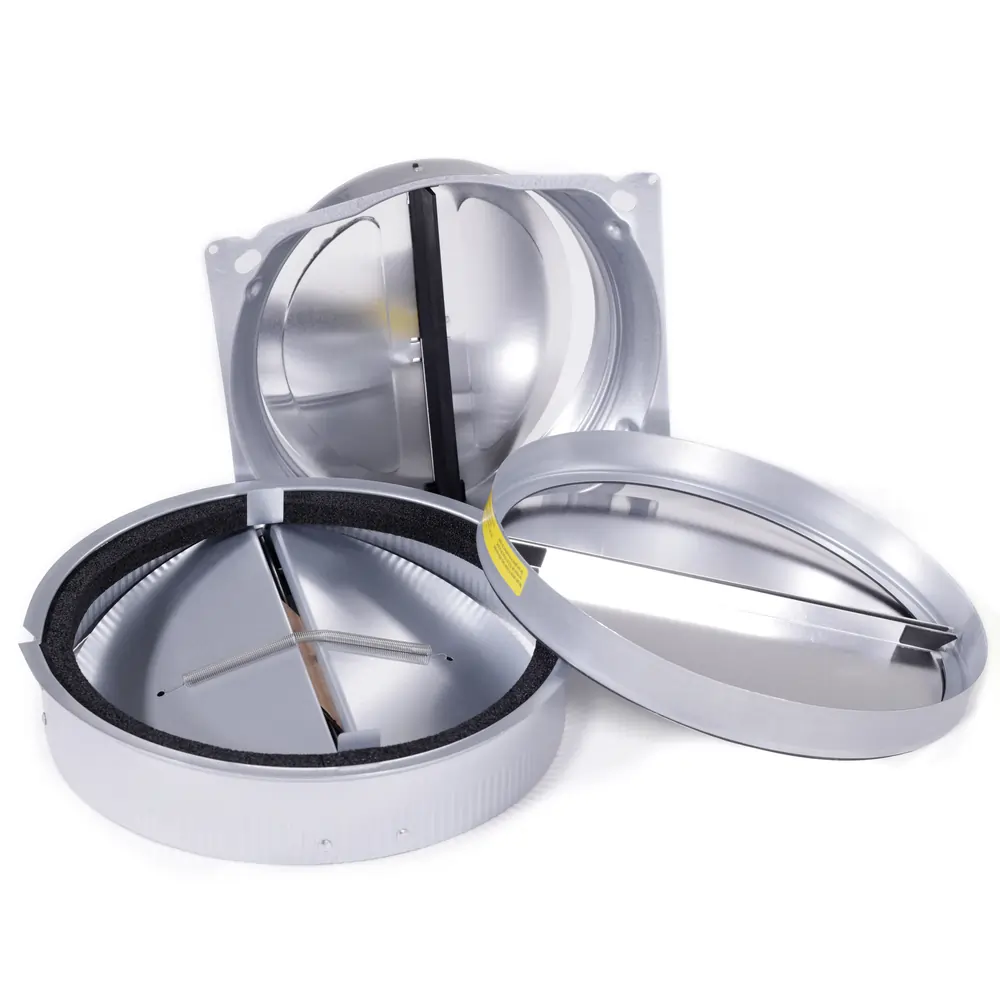
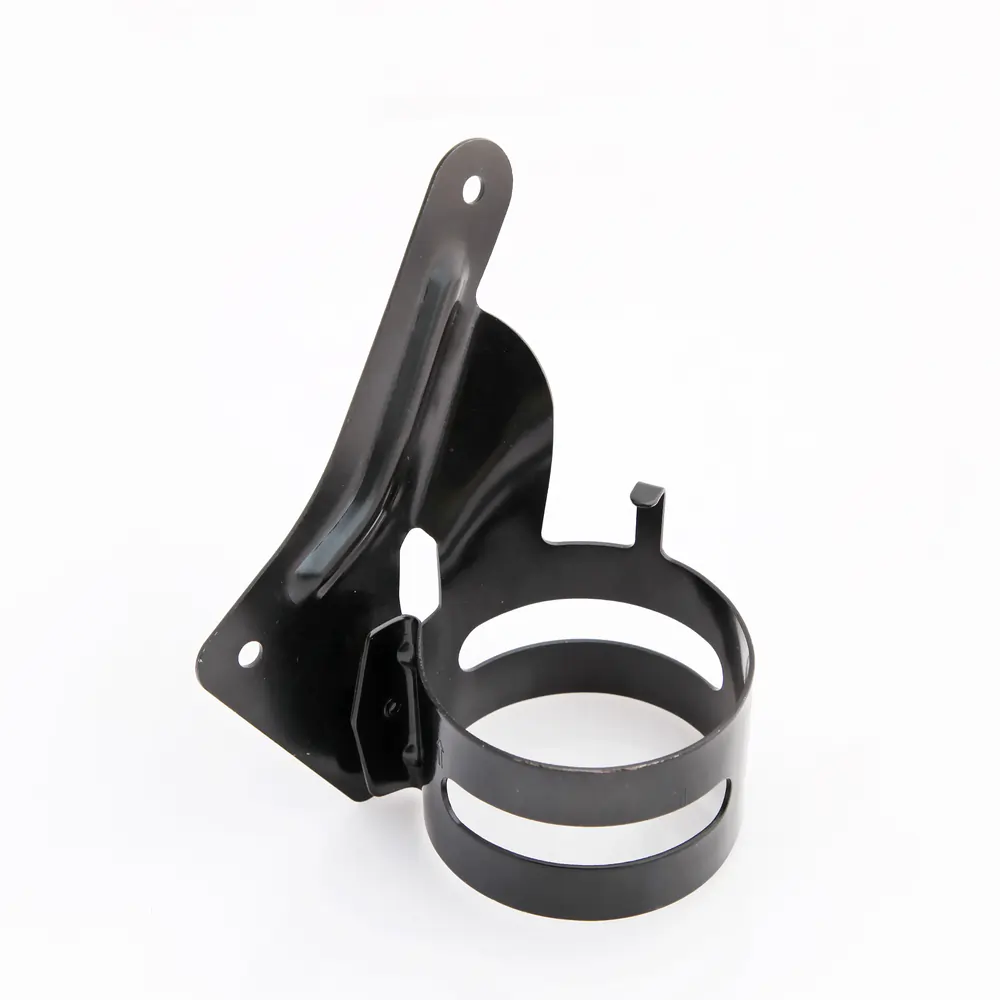
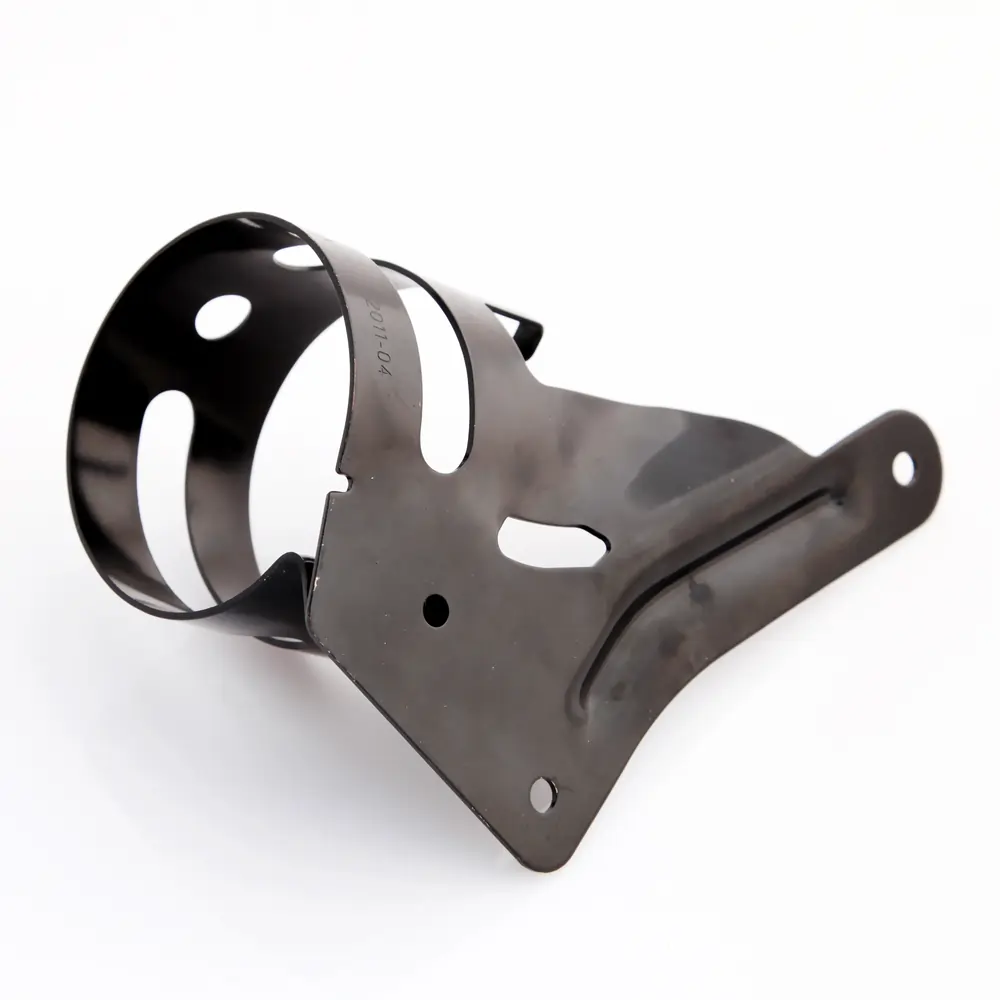
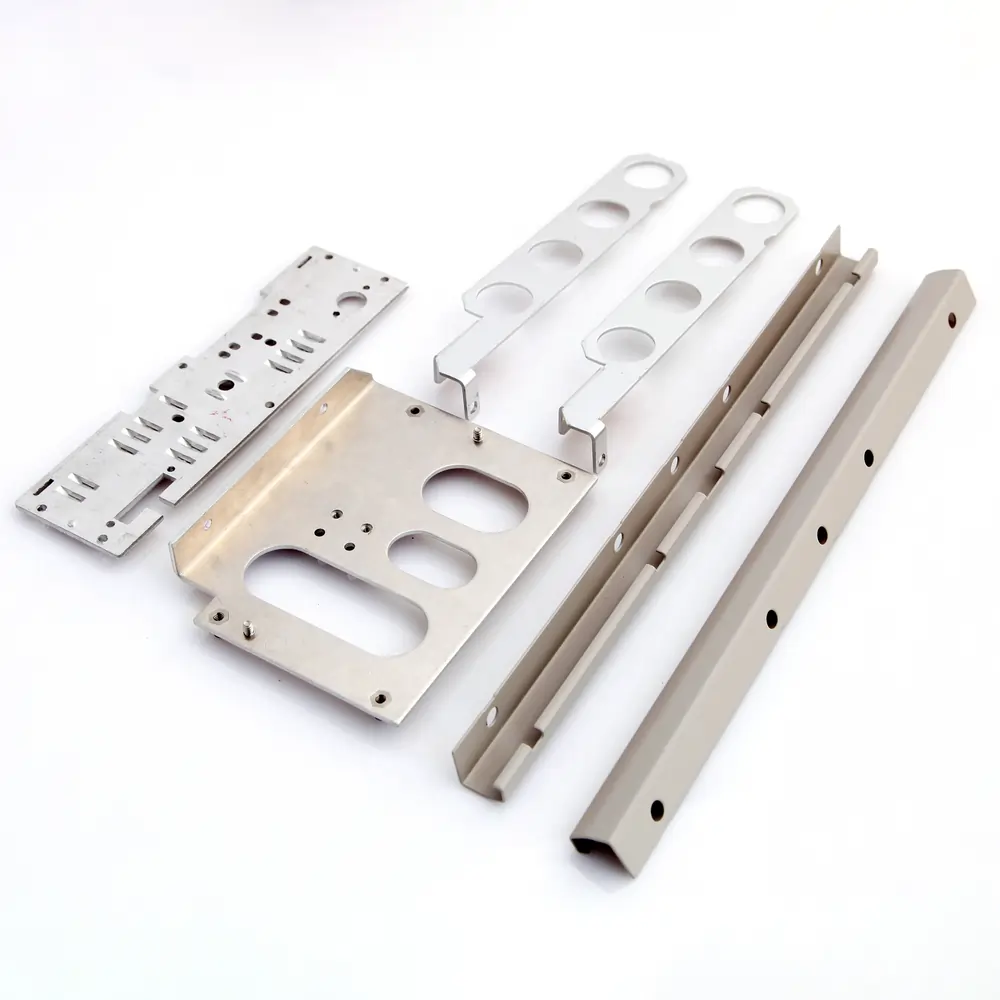
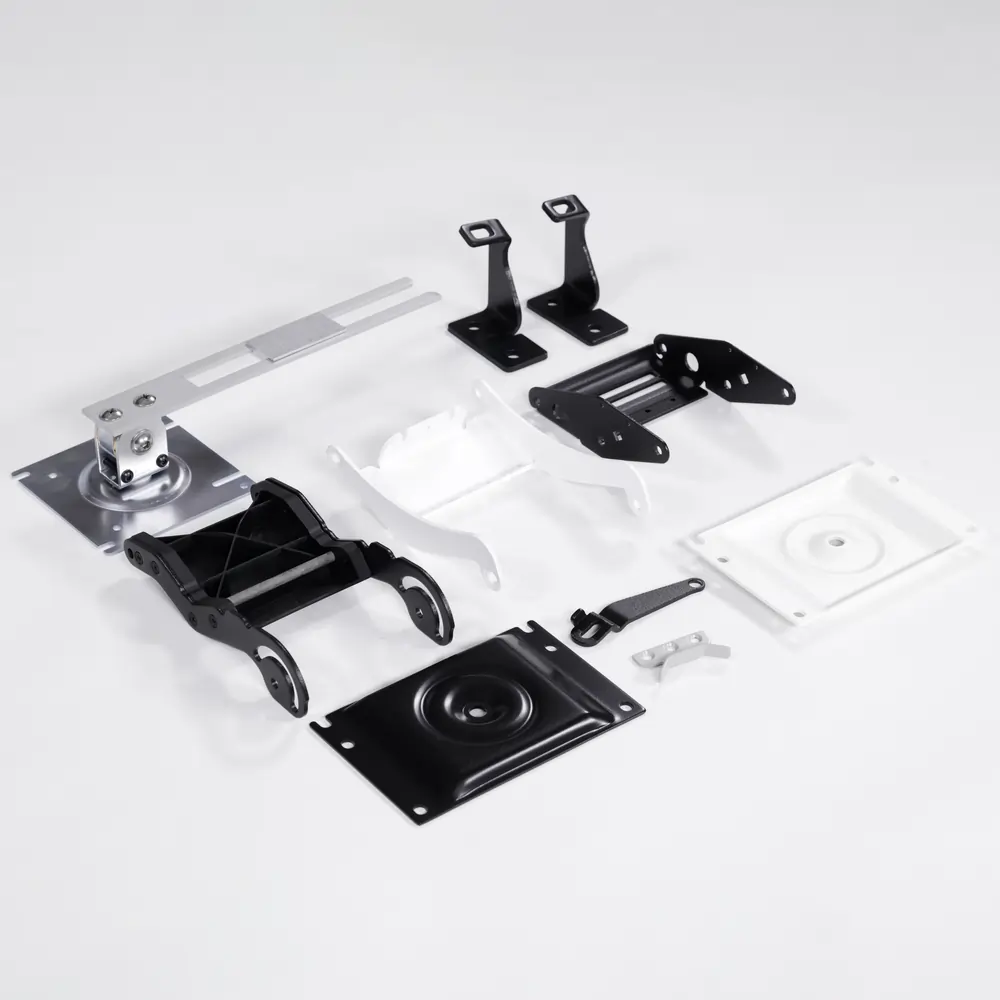
Powder Metallurgy Services Parts Gallery
Powder Metallurgy Materials and Capabilities
Powder Metallurgy Solutions for Critical Industries
Meco's powder metallurgy (PM) services deliver precision, high-density metal parts at scale. By compacting and sintering advanced alloy powders, we create complex net-shape components with outstanding dimensional accuracy and material efficiency.
Aerospace
Meco's PM expertise produces high-strength structural components including actuator housings, gearsets, and mounts. Advanced alloy powders deliver high fatigue resistance and stability, ideal for flight-critical aerospace environments where precision and reliability are paramount.
Aerospace CapabilitiesAutomotive
Powder metallurgy supports lightweight, high-volume production of gears, pulleys, bushings, and brake components. We achieve remarkable uniformity and wear resistance, ensuring performance consistency and cost efficiency across powertrain and chassis assemblies.
Automotive CapabilitiesHeavy Equipment
Meco's PM components provide strength and endurance under heavy mechanical stress. Bearings, sprockets, and structural connectors are produced with materials engineered to withstand continuous vibration, abrasion, and harsh operating conditions.
Heavy Equipment CapabilitiesAppliances
Durable, corrosion-resistant PM parts such as shafts, mounts, and housings are used in washers, dryers, and kitchen appliances. Our process achieves exact geometry and repeatability for quiet, efficient operation and long service life.
Appliance CapabilitiesIndustrial
Meco develops compacted and sintered metal components for machine tooling, fluid systems, and assemblies where strength and dimensional precision are critical. PM ensures repeatable performance and significantly reduced machining waste.
Industrial CapabilitiesLighting
PM offers scalable manufacturing for smaller production runs of precision components, combining material savings with performance consistency. It's ideal for local manufacturers seeking cost-effective, custom-engineered metal parts.
Lighting CapabilitiesMedical
Biocompatible PM stainless steels and alloys support the creation of precision handles, clamps, and surgical device components. Our clean, high-integrity sintering process ensures stable microstructures and medical-grade quality control.
Medical CapabilitiesTelecommunications
Powder metallurgy enables compact, conductive, and robust mechanical components for cable assemblies, shielding housings, and connectors—ensuring excellent heat dissipation and mechanical precision in telecom infrastructure.
Telecom CapabilitiesFurniture
PM parts enhance office equipment and fixtures with precision-made adjustment mechanisms, joint connectors, and wear-resistant components. These ensure smooth operation and elegant durability in modern workspace systems.
Furniture CapabilitiesElectronics
Meco's PM process produces intricate, small-form components like brackets, enclosures, and magnetic soft parts for sensors and miniature devices. Tight tolerances and fine surface finishes make PM ideal for modern electronics and IoT applications.
Electronics CapabilitiesPowder Metallurgy vs Other Methods
Compare Powder Metallurgy (PM) with CNC Machining and Metal Injection Molding to understand which process best fits your part requirements. Each method provides unique advantages based on volume, complexity, and cost considerations.
| Feature | Powder Metallurgy (PM) | CNC Machining | Metal Injection Molding (MIM) |
|---|---|---|---|
| Best for Volume | Excellent (High-Volume) | Low to Medium | Excellent (High-Volume) |
| Material Waste | Very Low (Net-Shape) | High (Subtractive) | Very Low (Net-Shape) |
| Geometric Complexity | Good (2.5D shapes) | Excellent | Excellent (True 3D shapes) |
| Cost per Part | Very Low (at scale) | High | Low (at scale) |
| Best For | Gears, bearings, cams, medium-complexity parts | Prototypes, large parts, very high precision | Very small, highly complex parts |
Powder Metallurgy FAQ
What is the main advantage of powder metallurgy?
The primary advantage is its cost-effectiveness for producing medium-to-high volumes of complex parts at or near their final dimensions (net-shape), which drastically reduces material waste and the need for machining.
What is the difference between powder metallurgy (PM) and metal injection molding (MIM)?
Both use metal powders, but PM compacts dry powder in a die, making it ideal for 2.5D shapes like gears. MIM uses a powder-binder feedstock that is injection molded, allowing for more complex, three-dimensional geometries similar to plastic molding.
What kind of density can PM parts achieve?
As-sintered parts typically achieve densities of 90-95% of the wrought material. For applications requiring higher density and strength, secondary operations like sizing or powder forging can be used to increase density further.
How to Get Started
Upload your 3D CAD models and specify material, quantity, tolerances, and any surface finish or inspection requirements.
Engineering reviews your design for powder metallurgy suitability, optimizing compaction direction and tooling design before issuing a quote.
Custom compaction tooling is manufactured and powder presses are set up with precise fill weights and ejection parameters for your specific alloy.
Parts are pressed, sintered, sized, and fully inspected with dimensional reports before packaging and shipment.
Need Cost-Effective, High-Volume Metal Parts?
Upload your powder metallurgy design or part drawing and get a fast, accurate quotation from Meco's engineering team.
