Mechanical Assembly Services – Contract Assembly Solutions
A fragmented supply chain creates delays, quality gaps, and hidden costs. Meco eliminates this risk by uniting machining, finishing, and final assembly into one streamlined process.

Mechanical Assembly Services Built for Scalable Production
Mechanical assembly is the critical step that transforms individual components into complete, production‑ready products. As a vertically integrated manufacturing partner, Meco delivers turnkey mechanical and electromechanical assembly services that reduce risk, shorten lead times, and ensure consistent quality from prototype to full‑scale production.
End‑to‑End Manufacturing Control
In‑house CNC machining, casting, forging, stamping, welding, and finishing eliminate fragmented supply chains—reducing lead times, cost, and quality risk.
High‑Accuracy Contract Assembly
Comprehensive contract mechanical assembly processes ensure repeatable accuracy, tight tolerances, and consistent final builds across low‑ to high‑volume programs.
Automated & Manual Assembly Options
From automated production cells to manual high‑precision and large‑volume assembly, we scale processes to match program complexity and demand.
Validated & Tested Assemblies
Engineering‑driven processes ensure every product is assembled, tested, and validated to meet functional, dimensional, and reliability requirements.
Built for Complex Applications
Trusted by industrial, automotive, aerospace, and consumer product manufacturers for complex assemblies that demand reliability at scale.
Why Choose Meco for Mechanical Assembly?
Partnering with Meco for product assembly means consolidating your supply chain under a single, accountable manufacturing expert. We deliver a strategic advantage by aligning our capabilities with the core needs of engineers and decision‑makers.
True Vertical Integration
We fabricate your components in‑house via CNC machining, die casting, forging, and stamping. This seamless transition from fabrication to assembly eliminates compatibility issues and dramatically reduces lead times.
Eliminates third-party coordination and compatibility risks.
Simplified Global Logistics
As your one‑stop manufacturing partner, we manage the entire workflow—from raw material sourcing and component production to final assembly, quality assurance, and global fulfillment.
Single point of contact from prototype to production.
Guaranteed Performance & Reliability
Our assembly processes are governed by rigorous, IATF 16949‑certified quality standards. We ensure every joint is secure, every component is aligned, and every final product functions flawlessly.
IATF 16949 quality management system.
Engineered for Scalability
Our flexible infrastructure, combining robotic automation with skilled manual assembly, allows us to scale production seamlessly from initial prototypes and low‑volume runs to millions of units annually.
Prototype to millions of units annually.
True Vertical Integration ▼
We fabricate your components in‑house via CNC machining, die casting, forging, and stamping. This seamless transition from fabrication to assembly eliminates compatibility issues and dramatically reduces lead times.
Simplified Global Logistics ▼
As your one‑stop manufacturing partner, we manage the entire workflow—from raw material sourcing and component production to final assembly, quality assurance, and global fulfillment.
Guaranteed Performance & Reliability ▼
Our assembly processes are governed by rigorous, IATF 16949‑certified quality standards. We ensure every joint is secure, every component is aligned, and every final product functions flawlessly.
Engineered for Scalability ▼
Our flexible infrastructure, combining robotic automation with skilled manual assembly, allows us to scale production seamlessly from initial prototypes and low‑volume runs to millions of units annually.
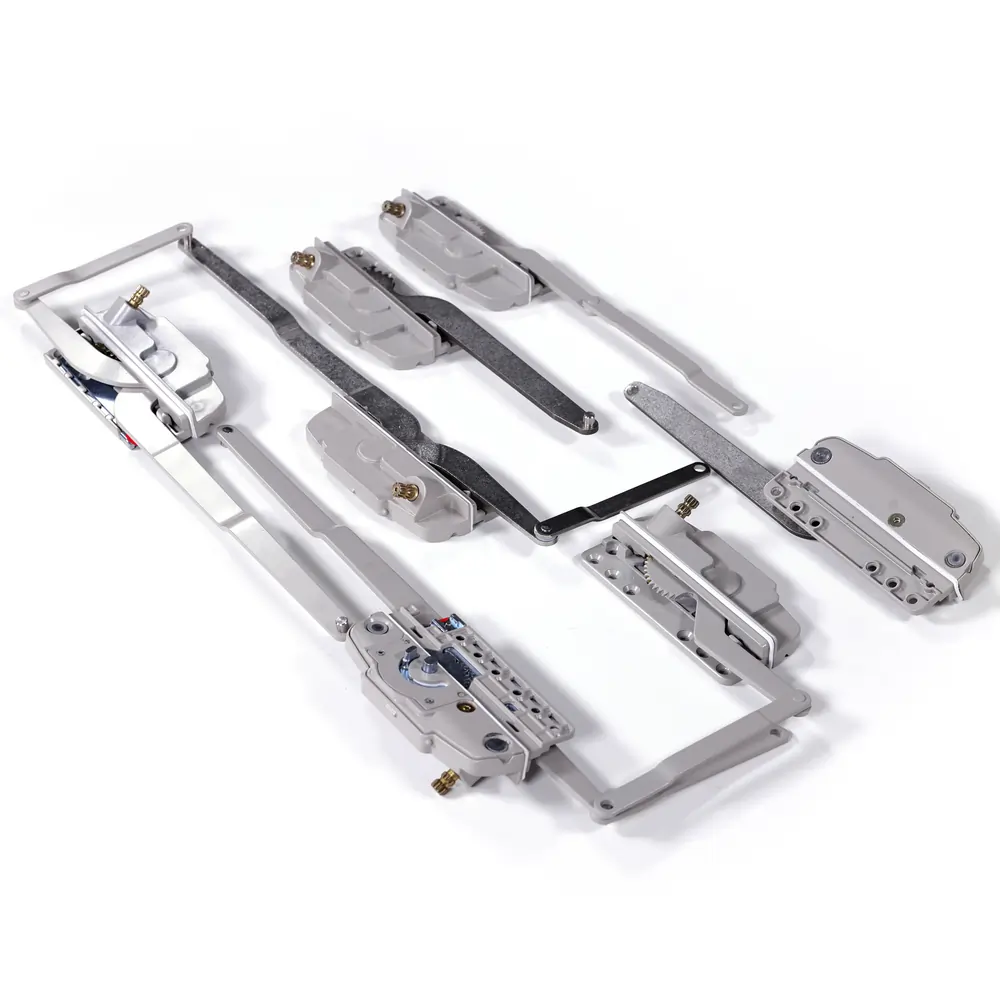
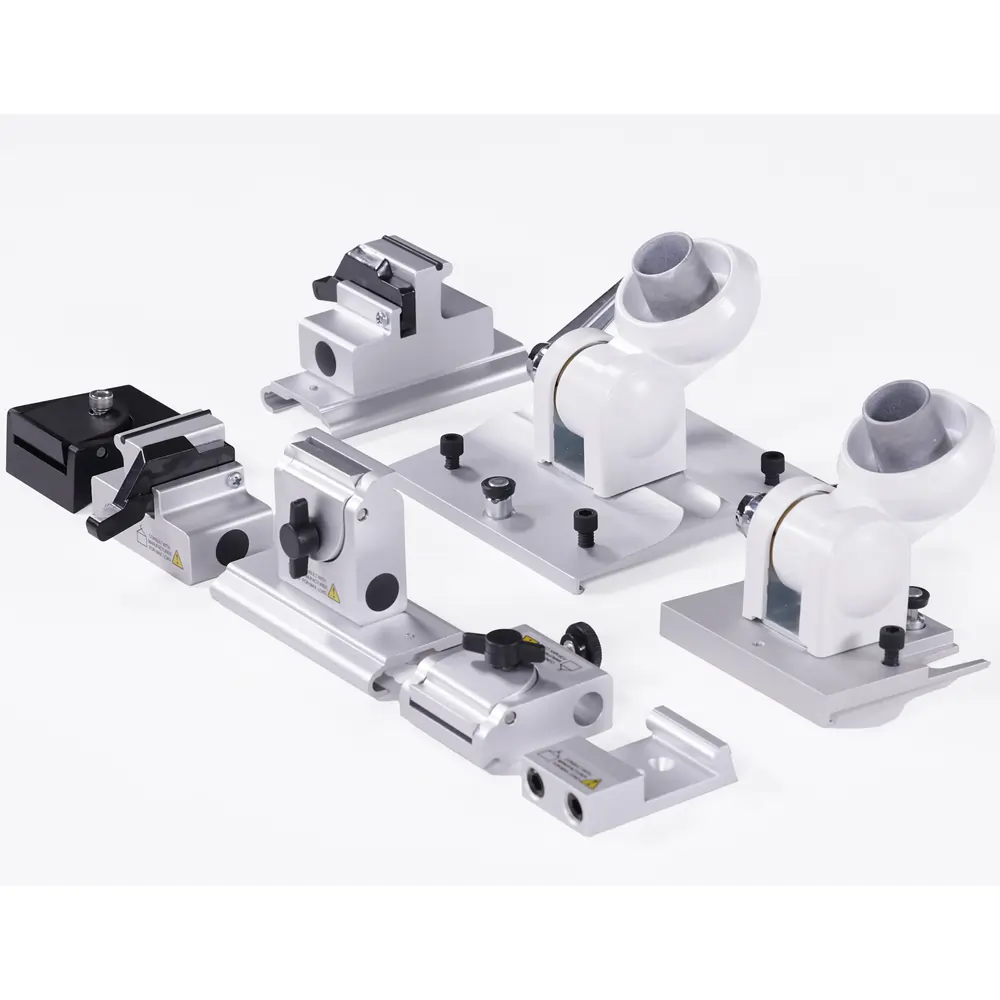
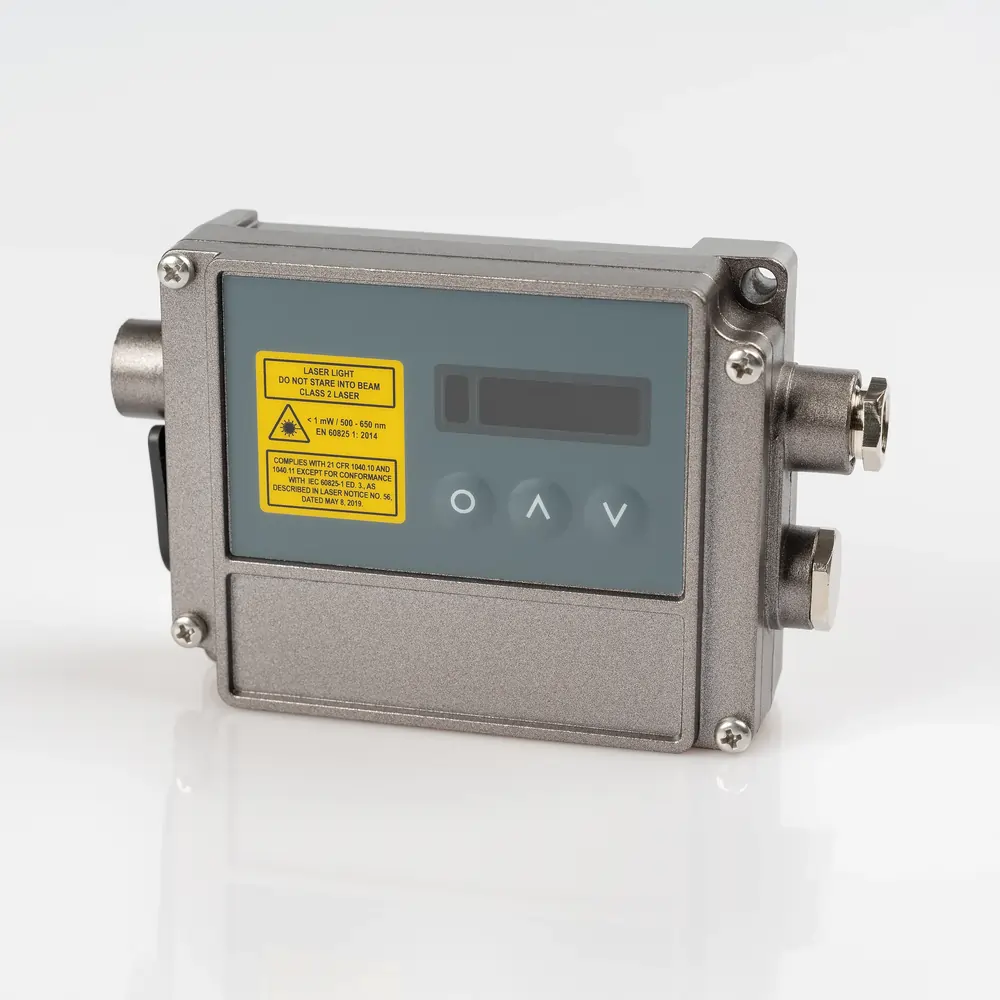
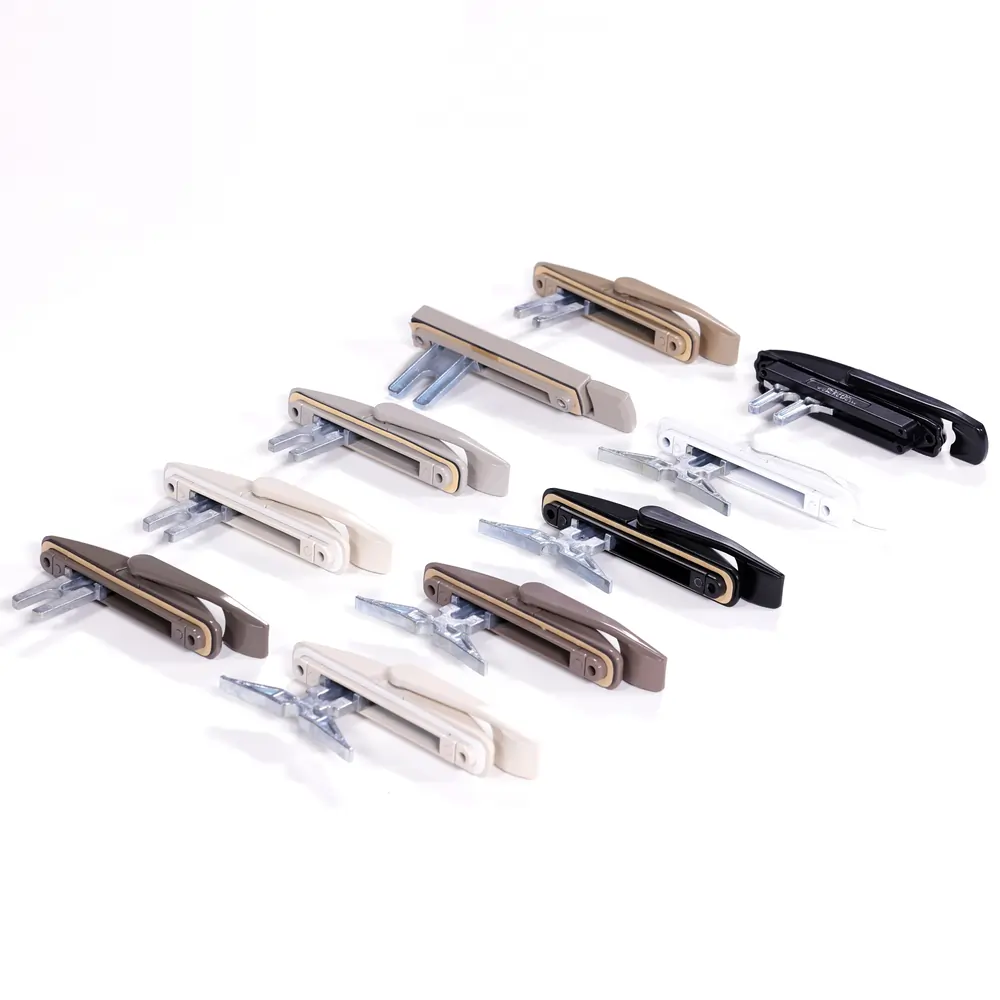
Mechanical Assembly Parts Gallery

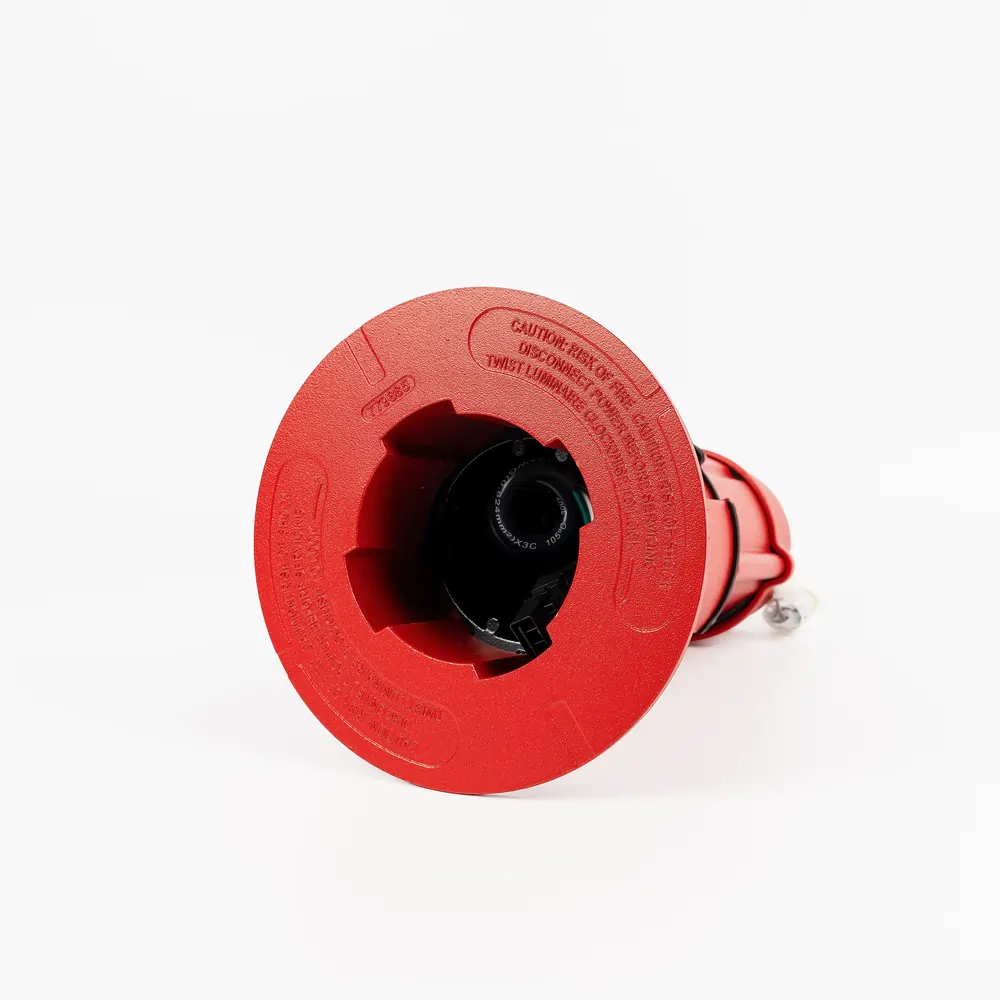
Integrated Manufacturing Capabilities
Meco's vertically integrated production combines precision machining, forming, electronics, and engineering to deliver reliable, production-ready mechanical assemblies.
CNC Machining
High‑precision milled and turned components that guarantee perfect fit and alignment during assembly.
Learn more →Forging
Hot‑ and cold‑forged parts engineered for maximum strength in high‑load mechanical assemblies.
Learn more →Stamping
Progressive metal stamping for brackets, housings, and structural components in automated assemblies.
Learn more →PCBA Integration
Full electronics integration for mechatronic assemblies with PCB population and ESD‑safe handling.
Learn more →R&D Engineering
Product design support, DFM analysis, and rapid prototyping for production‑ready assemblies.
Learn more →Supply Chain
Global procurement, JIT inventory, and warehousing for seamless assembly fulfillment.
Learn more →Precision Assembly Processes
Meco delivers a full portfolio of fastening and integration technologies. Select a process below to explore how our specialized equipment ensures mechanical integrity and manufacturing scalability.
Orbital (Spin) Riveting
A low‑force, spinning motion gradually flares the rivet, creating consistent heads while minimizing vibration. This cold‑forming method eliminates heat and heavy impact, producing smooth, high‑quality joints.
Best Applications
- Delicate electronics & sensors
- Precision automotive components
- Appliance assemblies
Key Advantages
- Low energy & noise profile
- Accurate, repeatable joints
- Superior surface aesthetics
Punch Riveting
A cold‑joining technique that pierces and locks metal sheets together without pre‑drilled holes. Ideal for joining dissimilar materials, improving structural strength without heat distortion.
Best Applications
- Aluminum‑steel combinations
- Automotive body panels
- High‑volume sheet metal
Key Advantages
- Fast cycle times
- No sparks or fumes
- High shear & tensile strength
Press Riveting
Uses controlled pressure to compress rivets into place, ensuring firm, permanent fastening. Ideal for structural applications requiring consistent torque and secure metal‑to‑metal bonding.
Best Applications
- Heavy‑duty industrial equipment
- Mechanical housings
- High‑strength joints
Key Advantages
- High axial strength
- Repeatable force control
- Reduced material fatigue
Pull (Blind) Riveting
Secures components from one side only. Used extensively in enclosures and frames where rear access is restricted, guaranteeing quick installation without compromising strength.
Best Applications
- Sheet metal cabinets
- Aircraft & vehicle interiors
- Closed enclosures
Key Advantages
- Single‑side access required
- Lightweight fastening
- Corrosion‑resistant options
Hydraulic Press Assembly
Uniform pressure application for forming, crimping, or press‑fitting. Enables controlled joining of precision parts with excellent dimensional accuracy.
Best Applications
- Press‑fit bearings & bushings
- Component calibration
- High‑torque assemblies
Key Advantages
- Controlled force application
- Scalable pressure capacity
- Complex geometry handling
Precision Welding
Automated and manual welding systems (Spot, TIG, MIG) ensuring structural strength and continuity for assemblies demanding permanent metal bonds.
Best Applications
- Automotive frames
- Stainless steel components
- High‑stress joints
Key Advantages
- Permanent load‑bearing joints
- Automation‑ready
- Clean, spatter‑free finish
Shrink‑Fitting (Thermal)
Uses thermal expansion and contraction to create interference fits. Heating or cooling parts allows precise mechanical locking without adhesives or deformation.
Best Applications
- Motor shafts & housings
- Gear & pulley assemblies
- Metal couplings
Key Advantages
- Pure metal‑to‑metal integrity
- Accurate alignment
- Reusable, clean method
Computerized Adhesive Dispensing
Automated systems ensure consistent bead patterns, controlled mix ratios, and precise placement. Ideal for vibration resistance, sealing, or insulation.
Best Applications
- PCB potting & electronics
- Glass & composite joining
- Waterproof sealing
Key Advantages
- Automated accuracy
- Reduced waste
- Flexible bonding lines
Automatic Screwdriving
Precise torque and speed control ensure reliable fastener engagement. Intelligent sensors verify torque values and seating depth for full traceability.
Best Applications
- Electronics casings
- Home appliances
- Automotive ECUs
Key Advantages
- Torque verification
- Reduced cycle times
- Error‑proof guidance
Auto/Semi‑Auto Assembly Lines
Modular assembly lines with robotic guidance, automated feeding, and smart inspections. Boosts throughput while maintaining flexibility for product variations.
Best Applications
- High‑volume manufacturing
- Multistage assembly
- Traceability requirements
Key Advantages
- Efficiency & Quality
- Scalable design
- Data‑driven monitoring
Automatic Kit Packaging
Streamlines the final assembly step by grouping, labeling, and sealing components. Integrated vision systems detect missing items and verify barcodes.
Best Applications
- Multi‑component kits
- Consumer devices
- Medical kits
Key Advantages
- Reduced manual handling
- Custom packaging formats
- Lower error rates
ESD‑Safe Environment
Controlled environments protect sensitive electronics from electrostatic discharge using anti‑static floors, ionizers, and continuous monitoring.
Best Applications
- Circuit board assembly
- Medical electronics
- Sensor systems
Key Advantages
- IEC 61340 compliant
- Reduced field failures
- Cleanroom integration
Mechanical Assembly FAQ
What is mechanical assembly?
Mechanical assembly is the process of joining individual components—such as machined parts, stamped parts, fasteners, bearings, and electronic elements—into a complete functional unit. This can include manual, automated, or semi‑automated processes.
What tolerances can mechanical assemblies meet?
Tolerances typically include ±0.01–0.05 mm for CNC machined parts, ±0.05–0.1 mm for stamped parts, and ±0.1–0.3 mm for molded parts, depending on complexity and application requirements.
How much does mechanical assembly cost?
Cost depends on component complexity, volume, labor, testing, and supply chain requirements. Simple assemblies may cost a few dollars, while complex assemblies can cost significantly more. Meco provides detailed DFM costing support.
What is included in a full mechanical assembly service?
Services include component fabrication, sourcing, sub‑assemblies, fastener installation, bonding, alignment, testing, packaging, and supply chain coordination.
How to Get Started
Upload your 3D design files (STEP/IGES) and assembly requirements.
We analyze tolerances and assembly methods, then provide a detailed quote.
We build initial assemblies and conduct functional testing for approval.
Once approved, we scale to full production with quality control.
Ready to Streamline Your Production and Guarantee Assembly Quality?
Upload your CAD files and project specifications today.
