Gravity Casting Services for Dense, Pressure Tight Parts
Meco pours molten aluminum into reusable steel molds under gravity alone, producing dense, low porosity castings that are T6 heat treatable and pressure tight. IATF 16949:2016 certified, with production in Thailand and China and engineering support from North America.

What Is Gravity Casting?
Gravity casting, also called permanent mold casting or gravity die casting, pours molten metal into a reusable steel die using gravity alone, with no injection pressure. The slow fill and rapid chilling against the steel wall give denser, stronger parts with far less internal porosity than high pressure die casting.
That low porosity is what makes the parts T6 heat treatable and naturally pressure tight under hydraulic or pneumatic load. It suits aluminum, zinc and copper alloys at roughly 500 to 50,000 parts per year. Meco runs gravity casting inside a full set of manufacturing capabilities, so castings move straight to CNC machining, heat treatment, finishing and assembly without a second supplier. It sits alongside our other custom casting processes.

Why Choose Gravity Casting for Your Parts?
Choose gravity casting when you need strong, dense, heat treatable metal parts at medium volume. It is the usual answer for automotive, aerospace and heavy equipment programs that need leak proof performance without the tooling spend of high pressure die casting.
Why Teams Choose Meco for Gravity Casting
One supplier, certified quality, lower total cost.
One Supplier, Start to Finish
Casting, machining, heat treatment, finishing and assembly all run through Meco. One PO, one quality system, no finger pointing between vendors.
Tooling That Lasts
We build H13 steel dies designed for 50,000 to 200,000 plus shots. Our tooling engineers optimise gating, risers and cooling channels before we cut steel.
Design Feedback Before You Commit
Our engineers review wall thickness, draft angles and core requirements, then suggest changes. DFM tweaks typically cut 15 to 30 percent off production cost.
Certified Quality
IATF 16949:2016 governs every step. APQP, PPAP, SPC, PFMEA, X ray NDT and CMM inspection are standard, not add ons.
Gravity Casting Parts Gallery
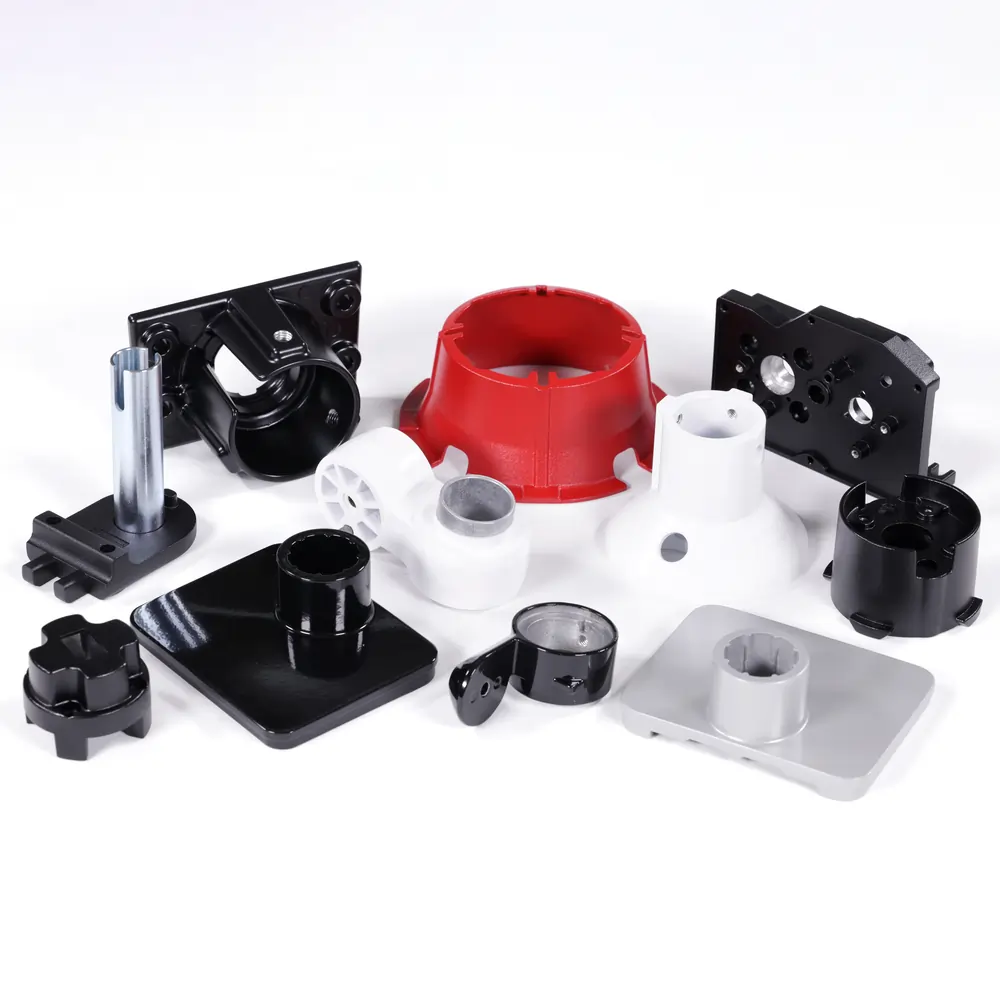
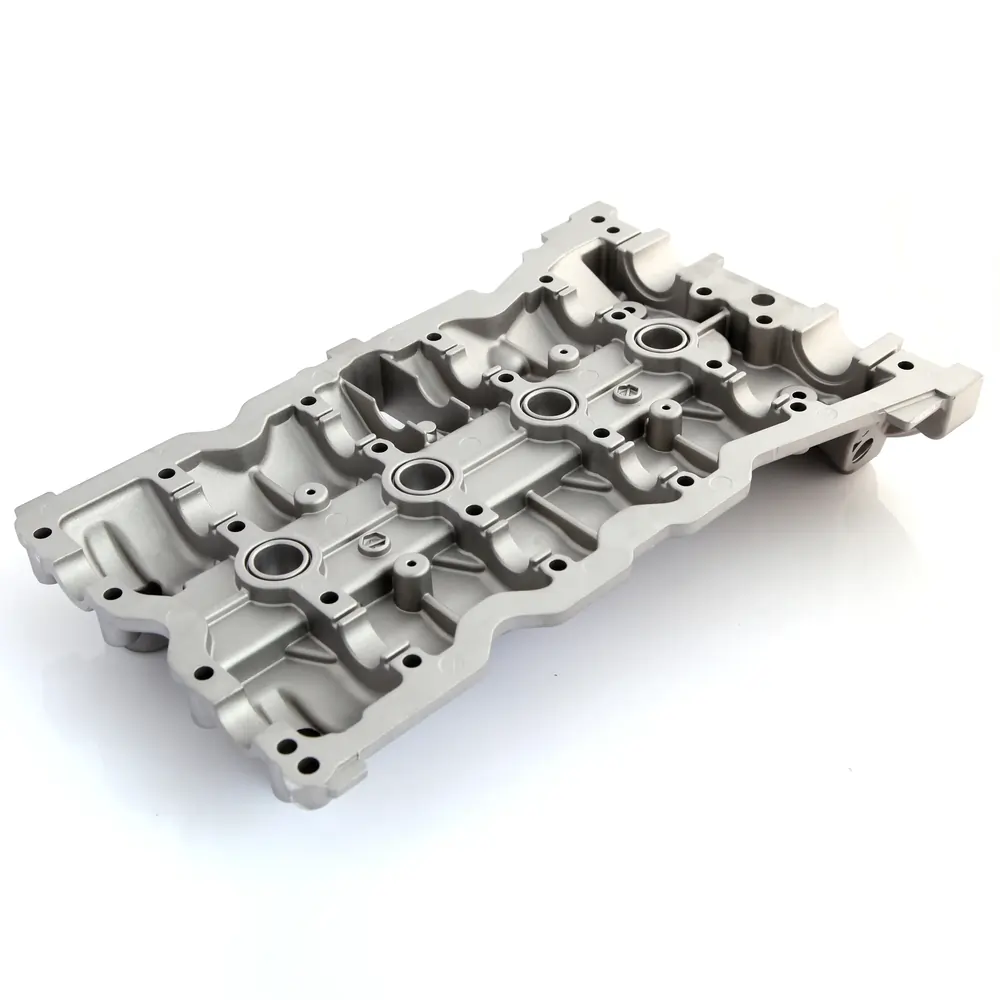

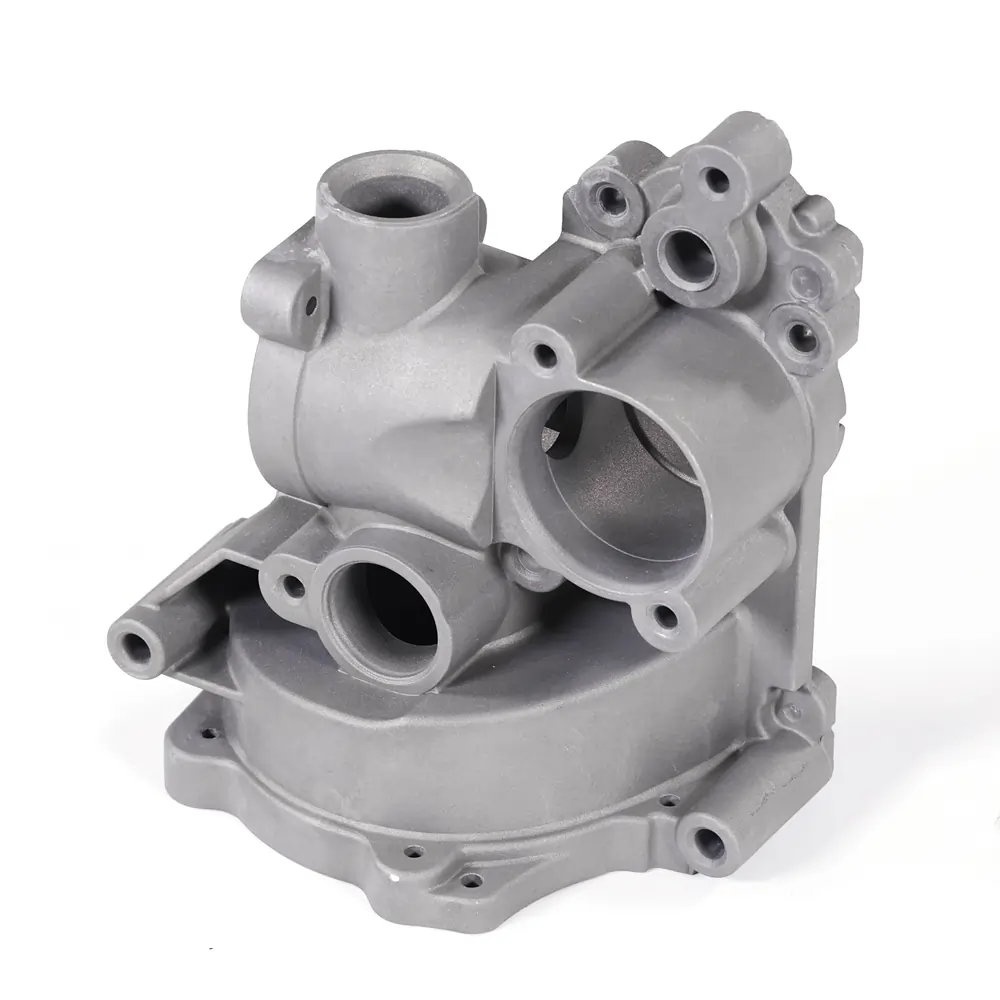
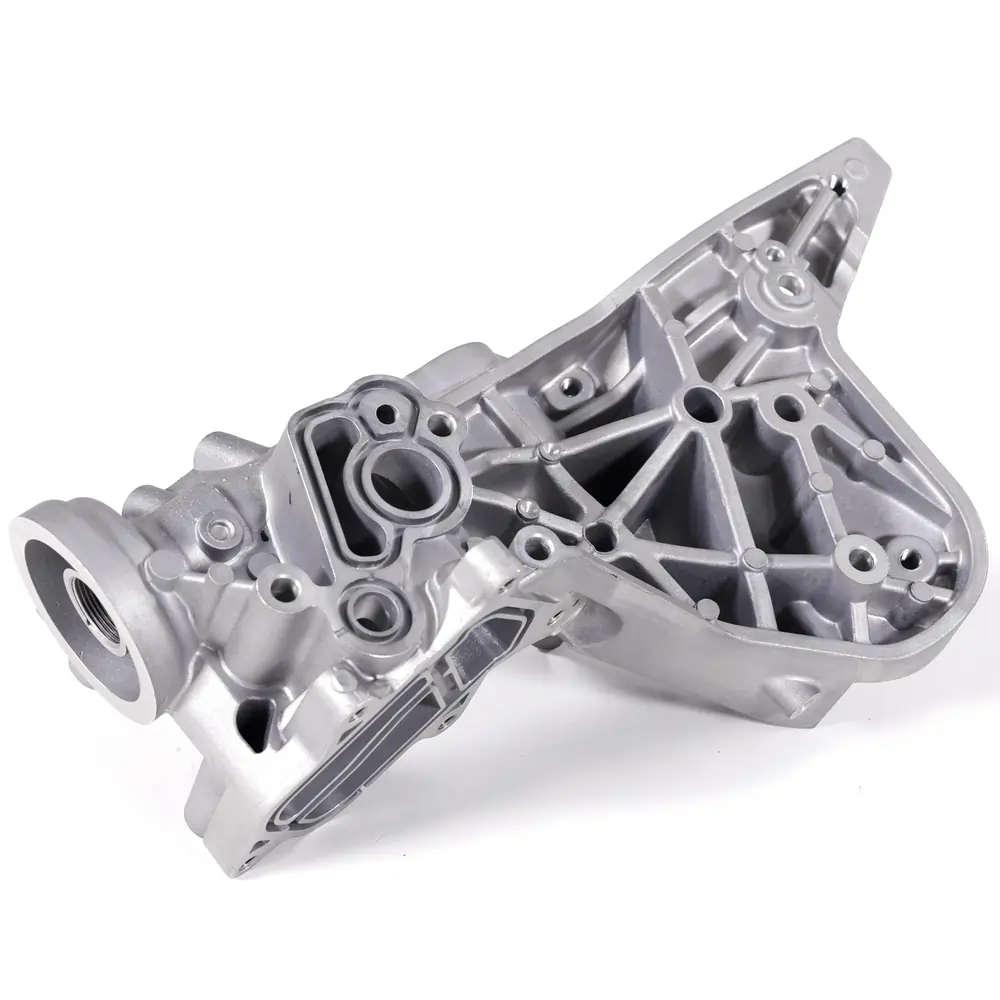
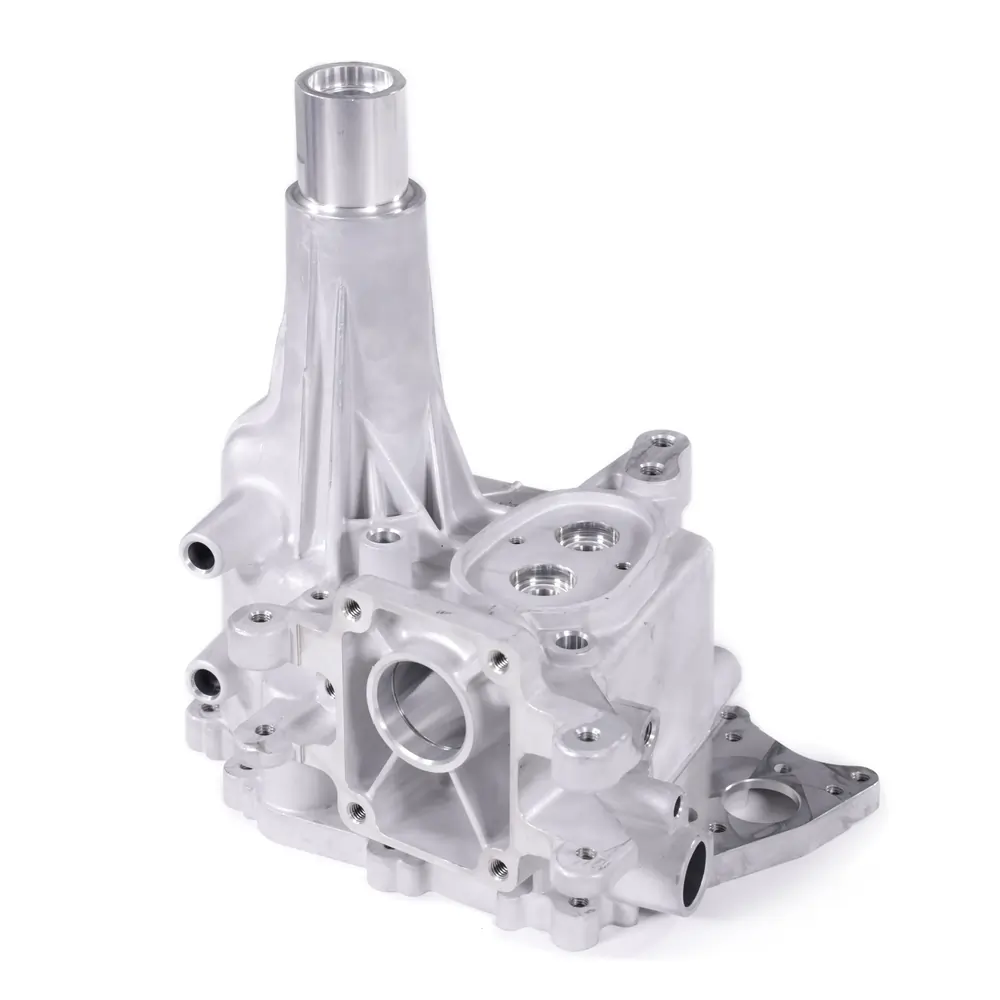
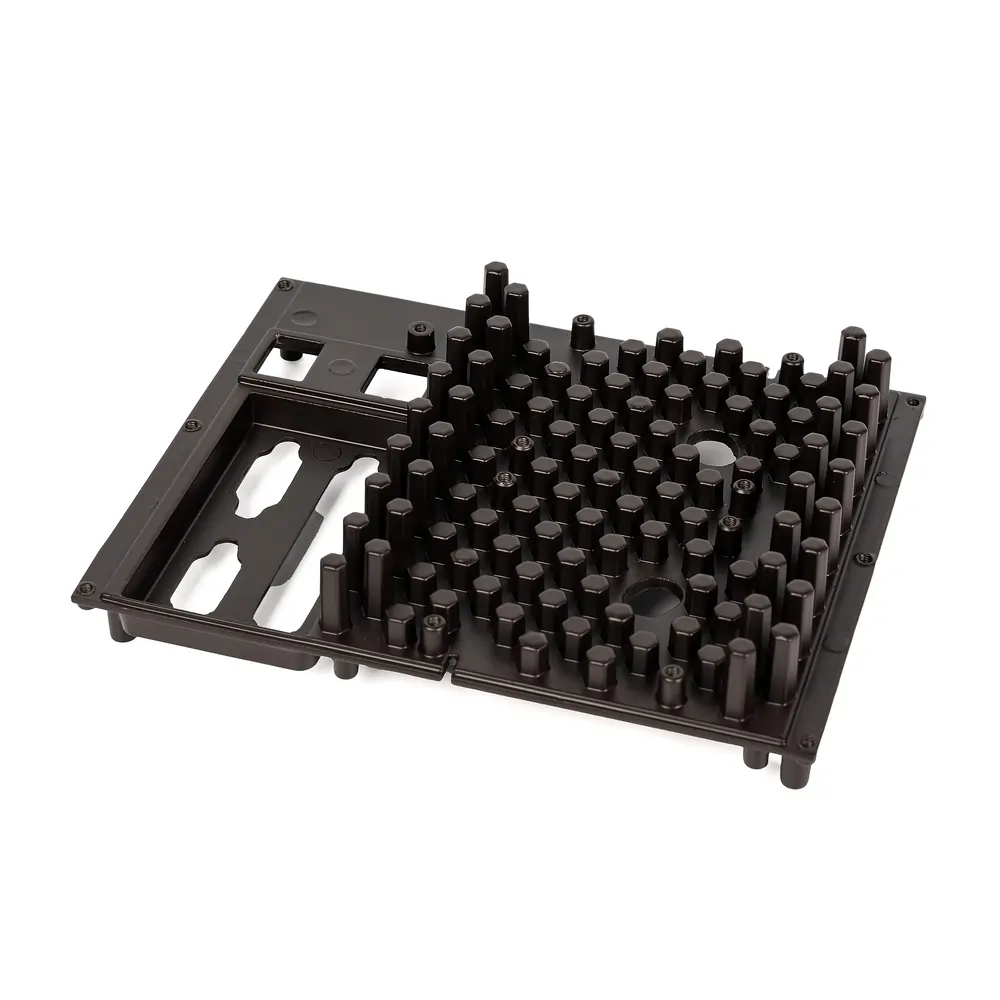
Gravity Casting Alloys and Specifications
A356 and A357 cover most gravity casting work because both respond well to T6 heat treatment. 319 suits engine components, 535 suits saltwater exposure, and zinc and copper alloys handle wear and conductivity. Alloy choice drives strength, so tell us the load case and we will recommend a grade.
| Alloy | Family | Typical Tensile | Typical Hardness | Typical Applications |
|---|---|---|---|---|
| A356 (T6) | Aluminum | 38 ksi | 80 HB | Structural, pressure tight housings |
| A357 (T6) | Aluminum | 45 ksi | 90 HB | Aerospace and high stress parts |
| 319 (T6) | Aluminum | 36 ksi | 80 HB | Engine blocks, intake manifolds |
| 535 | Aluminum | 35 ksi | 60 HB | Marine and corrosion critical parts |
| C876 | Copper | 45 ksi | Not published | Electrical and plumbing fittings |
| ZA-12 | Zinc | 59 ksi | Not published | Bearings, wear resistant parts |
| ZA-27 | Zinc | 62 ksi | Not published | High strength structural parts |
Scroll inside the table to see all columns
Gravity Casting Tolerances
Gravity casting holds ISO 8062 CT7 to CT8 as cast, which is tighter than sand casting at CT9 to CT10. Critical features go tighter again with post cast CNC machining. If you need a full walkthrough of tolerance grades, see our guide to choosing machining tolerances.
Linear Tolerances
| Dimension Length | Standard (As Cast) | Precision (Post Machining) |
|---|---|---|
| Basic, up to 1 in | ± 0.015 in | ± 0.005 in |
| Add per inch over 1 in | ± 0.003 in | ± 0.001 in |
| Example, 5 in part | ± 0.027 in | ± 0.009 in |
| Example, 12 in part | ± 0.048 in | ± 0.016 in |
Scroll inside the table to see all columns
Flatness Tolerances
| Surface Dimension | Standard | Precision |
|---|---|---|
| Up to 3 in | 0.010 in | 0.006 in |
| Add per inch over 3 in | 0.004 in | 0.002 in |
| Max deviation | Based on diagonal | Requires machining |
Scroll inside the table to see all columns
Draft Angle Guidelines
| Feature Type | Draft Angle | Why It Is Needed |
|---|---|---|
| Outside walls | 1 to 2 degrees | Shrinkage pulls the part away from the cavity |
| Inside walls | 2 to 3 degrees | Shrinkage tightens the part onto the core |
| Sand core holes | 3 degrees per side | Prevents core breakage at extraction |
Scroll inside the table to see all columns
Gravity Casting vs Other Casting Methods
Gravity casting wins on density and heat treatability at medium volume, die casting wins on thin walls at high volume, sand casting wins on large or low volume parts, and investment casting wins on complex geometry. Low pressure casting sits between gravity and die casting. Background reading: the die casting process explained.
| Feature | Gravity Casting | Die Casting (HPDC) | Sand Casting | Investment Casting |
|---|---|---|---|---|
| Best volume | 500 to 50,000 per year | 5,000 to 1,000,000+ | 50 to 5,000 | 500 to 50,000 |
| Typical tolerance | ISO 8062 CT7 to CT8 | NADCA standard ± 0.010 in | ISO 8062 CT9 to CT10 | Near net shape per ICI |
| Lead time | 4 to 10 weeks | 6 to 14 weeks | 4 to 8 weeks | 6 to 12 weeks |
| Tooling cost | $10K to $30K | $20K to $150K+ | $500 to $5K | $3K to $15K |
| Mechanical properties | Excellent, dense | Good, prone to porosity | Fair, coarse grain | Very good |
| Wall thickness | 3 mm and above | Under 5 mm, thin wall | Any, thick sections fine | 0.5 mm and above |
| Surface finish | Good to excellent | Excellent | Fair to poor | Excellent |
| Heat treatable | Yes, full T6 | Limited | Yes | Yes |
| Best for | Pressure tight, high strength | Complex thin wall, high volume | Large or simple shapes | Complex geometry |
Scroll inside the table to see all columns
Need More Than Casting?
We also run die casting, sand casting, low pressure casting, CNC machining, stamping, forging and assembly, all managed from one place.
Industries We Serve with Gravity Casting
Gravity casting suits any part that has to be dense, pressure tight and made in medium volume, from engine heads to LED and inverter housings.
Automotive Parts Manufacturing
Gravity cast aluminum engine heads, intake manifolds and structural brackets deliver the density and heat treatability that high pressure die castings cannot match. Suited to medium volume programs where mechanical performance is not negotiable, under IATF 16949:2016 control.
Aerospace Parts Manufacturing
Low porosity castings in A357 T6 meet the strength and NDT requirements of aerospace programs. Every part ships with material certification, first article inspection and lot level traceability.
Heavy Equipment Manufacturing
Pressure tight gravity castings for hydraulic manifolds, gear housings and valve blocks that run under continuous load, vibration and fluid pressure. Every batch is X ray inspected and leak tested.
Industrial Machinery
Gravity castings for pump bodies, compressor housings and pneumatic manifolds where internal porosity means product failure. Every batch is X ray inspected and pressure tested before shipment.
Marine and Offshore
Corrosion resistant 535 aluminum castings for marine fittings, through hull valves and deck hardware. Cast to near net shape, then CNC machined and anodized for long term saltwater exposure.
Renewable Energy
Gravity cast aluminum housings for solar inverters, wind turbine junction boxes and EV charging stations. T6 heat treated, pressure tested and sealed for outdoor IP protection.
Electrical and Power Generation
Dense EMI shielding enclosures and high conductivity connector housings cast in aluminum or copper alloy, then finished and assembled to spec. Low porosity keeps electrical performance consistent.
Home Appliances
Dense, corrosion resistant castings for motor housings, compressor bodies and structural appliance frames that need consistent quality at medium volume. T6 heat treated for long product life.
Quality You Can Verify
Every gravity cast part ships with full traceability and documentation. Our IATF 16949:2016 quality system covers each step, from incoming alloy to packed shipment. X ray NDT and helium leak testing are standard on pressure critical parts, and EN 10204 3.1 material certificates are available on request.
Dimensional Inspection
CMM verification to ± 0.002 mm on critical features, with full GD and T evaluation and graphical deviation reports.
First Article Inspection
FAI reports with complete dimensional data against your drawing, delivered before production starts.
X Ray and Leak Testing
Radiographic NDT for internal porosity detection, plus helium leak testing on hydraulic and pressure critical parts.
Full Traceability
Lot level tracking from raw alloy through casting, heat treatment, machining, finishing and packing. Complete audit trail.
Gravity Casting FAQ
What metals can you gravity cast?
Mostly aluminum alloys: A356, A357, 319 and 535, all of which suit T6 heat treatment. We also cast zinc (ZA-12, ZA-27) and copper alloys for bearings, electrical fittings and plumbing components.
How much does gravity casting tooling cost?
Gravity dies typically run $10,000 to $30,000 depending on part size and complexity. That is well below high pressure die casting tooling at $20,000 to $150,000 plus, and each die lasts 50,000 to 200,000 plus shots.
What is the minimum order quantity for gravity casting?
Meco has no minimum order quantity, though gravity casting usually makes economic sense from around 500 pieces per run. The ideal window is 500 to 50,000 parts per year. Below that, sand casting or CNC machining is often cheaper.
How accurate is gravity casting?
Gravity casting holds ISO 8062 CT7 to CT8 as cast, which works out at roughly ± 0.015 in for the first inch plus ± 0.003 in per additional inch. Post cast CNC machining tightens critical features to ± 0.005 in or better.
How long does it take to get gravity cast parts?
Plan on 4 to 10 weeks overall. Tooling takes 4 to 8 weeks depending on complexity, and production runs ship in 3 to 5 weeks once samples are approved. Rush options are available.
Can you heat treat gravity castings?
Yes, and it is one of gravity casting's biggest advantages over high pressure die casting. Castings in A356 and A357 are routinely T6 heat treated to raise tensile strength and hardness.
Do you handle finishing and assembly?
Yes. We offer shot blasting, tumbling, anodizing, powder coating, wet painting and chromate conversion, CNC machining, thread tapping and mechanical assembly, all in house.
What file formats do you accept?
STEP (.stp) and IGES (.igs) for 3D models. PDF or DWG for 2D drawings with tolerances, GD and T and finish callouts. We also accept Parasolid and native SolidWorks files.
Gravity casting vs die casting, when should I choose gravity?
Choose gravity casting when you need superior mechanical properties, pressure tightness or T6 heat treatment at 500 to 50,000 parts per year. Choose high pressure die casting for walls under 3 mm, complex geometry at very high volume, or the fastest cycle times.
What does a gravity cast part cost?
Unit cost depends on alloy, weight, machining content and volume, so we quote from your file within 24 hours. For ballpark ranges across processes, see our metal part pricing guide.
How to Get Started
Upload a STEP or IGES file with material and volume information through our quote form. We respond within 24 hours.
Our engineers check wall thickness, draft angles, gating design and core requirements, then send a detailed quote with cost saving suggestions.
We build your steel die, run sample castings and send first articles for approval before committing to full production.
Full production with in process inspection, X ray NDT, complete quality documentation and scheduled shipping from our global warehousing network.
Gravity Casting Resources

What Is Gravity Die Casting? Process Explained
A plain English walkthrough of how gravity casting works, when to use it, and how it compares with high pressure die casting and sand casting.
Read the guide
What Is a Die in Manufacturing?
An explainer on die types across stamping, casting, forging and extrusion, and how to pick the right one for your project.
Compare methods
How Much Does a Metal Part Cost in 2026?
CNC, die casting, gravity casting, forging and stamping compared side by side with real dollar ranges and volume breakpoints.
Read the guide